
CLINICAL EVIDENCE
Where innovation meets evidence
An FDA approved first-in-class surgical replacement valve supported by compelling data
The VenoValve has been evaluated through rigorous bench testing, a first-in-human trial, and a U.S. pivotal study. Compelling data from these studies show significant, durable clinical improvement across all severe CEAP classes (C4b–C6) and support the VenoValve as an effective treatment for severe (C4b to C6) Deep Venous Insufficiency (DVI) of the lower extremity caused by valvular incompetency.
The pivotal trial included participation from leading vascular research institutions including Yale, University of Chicago, Cedars-Sinai, University of Pittsburgh, Indiana University, and Saint Louis University, underscoring the strength and credibility of the data.
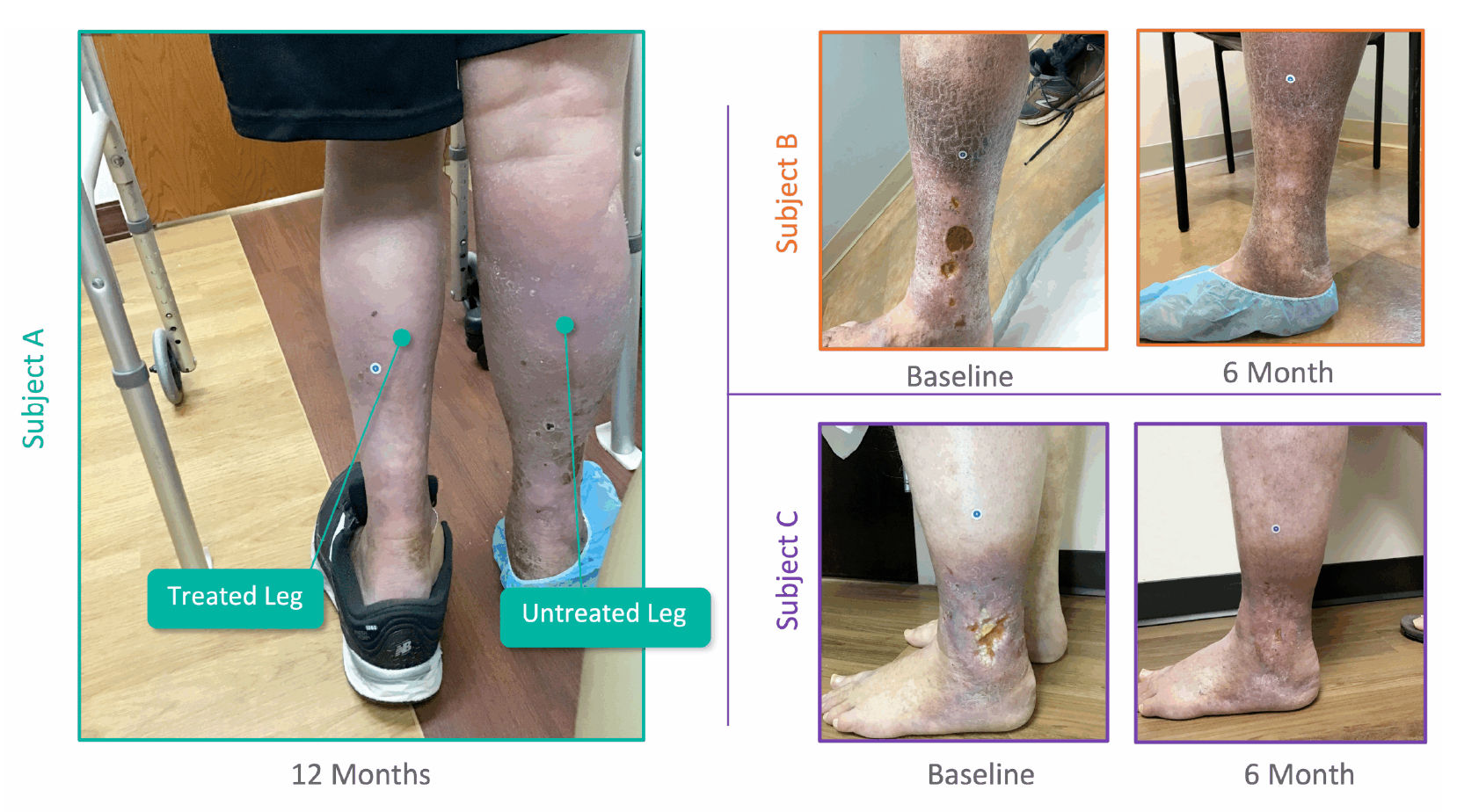
Results showed that the SAVVE procedure is both safe and effective, with 85% of patients experiencing sustained relief from hallmark symptoms of severe CVI, including leg pain, swelling, inflammation, and skin discoloration. Patients with venous ulcers also saw meaningful healing of their wounds.
Strong pivotal study data
Benefits were observed across the full spectrum of disease severity and clinical features, with improvements seen across all enrolled Clinical-Etiology-Anatomy-Pathophysiology (CEAP) classes (C4b–C6).
The one-year U.S. pivotal data show that patients who received the VenoValve via the SAVVE surgical procedure experienced significant and sustained clinical benefits across multiple endpoints.
%
Of patients had at least a 3-point improvement in rVCSS
Average point improvement for the responder cohort at one year compared with baseline
%
Primary patency rate
%
Secondary patency rate
%
Median reduction in pain by Visual Analog Scale (VAS)
%
Improvement in symptom score
%
Improvement in quality-of-life score
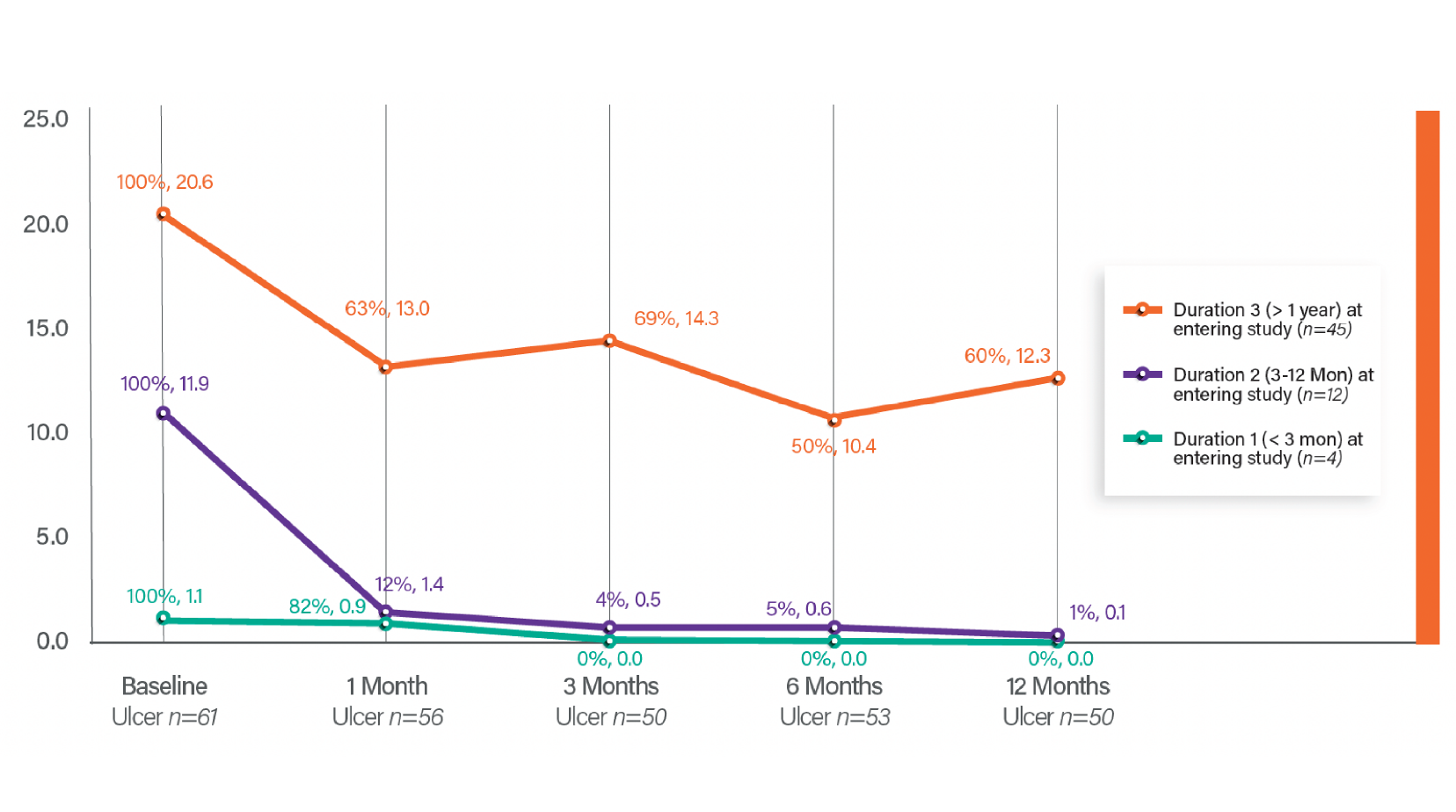
Ulcer healing rates at one year
%
Median ulcer area reduction
SAVVE procedure safety profile
The U.S. pivotal data also support the safety of the SAVVE procedure. No pulmonary embolisms or VenoValve-related deaths were reported.
Major adverse events (MAEs) include 12 target vein thromboses, 10 surgical pocket hematomas, 4 other bleeds, and 7 deep wound infections.
KEY TAKEAWAY:
94% of patients who experienced an MAE also experienced a clinically meaningful benefit.
Featured publications
Three-Year Outcomes of Surgical Implantation of a Novel Bioprosthetic Valve for the Treatment of Deep Venous Reflux
Treating Deep Venous Insufficiency with a Novel Implantable Device
Two-Year Results from VenoValve First-In-Human Study